White Spots on Child’s Face: What Parents Need to Know
Rajesh Nathani
July 24, 2023
Quick Answer: What Causes White Spots on a Child’s Face?
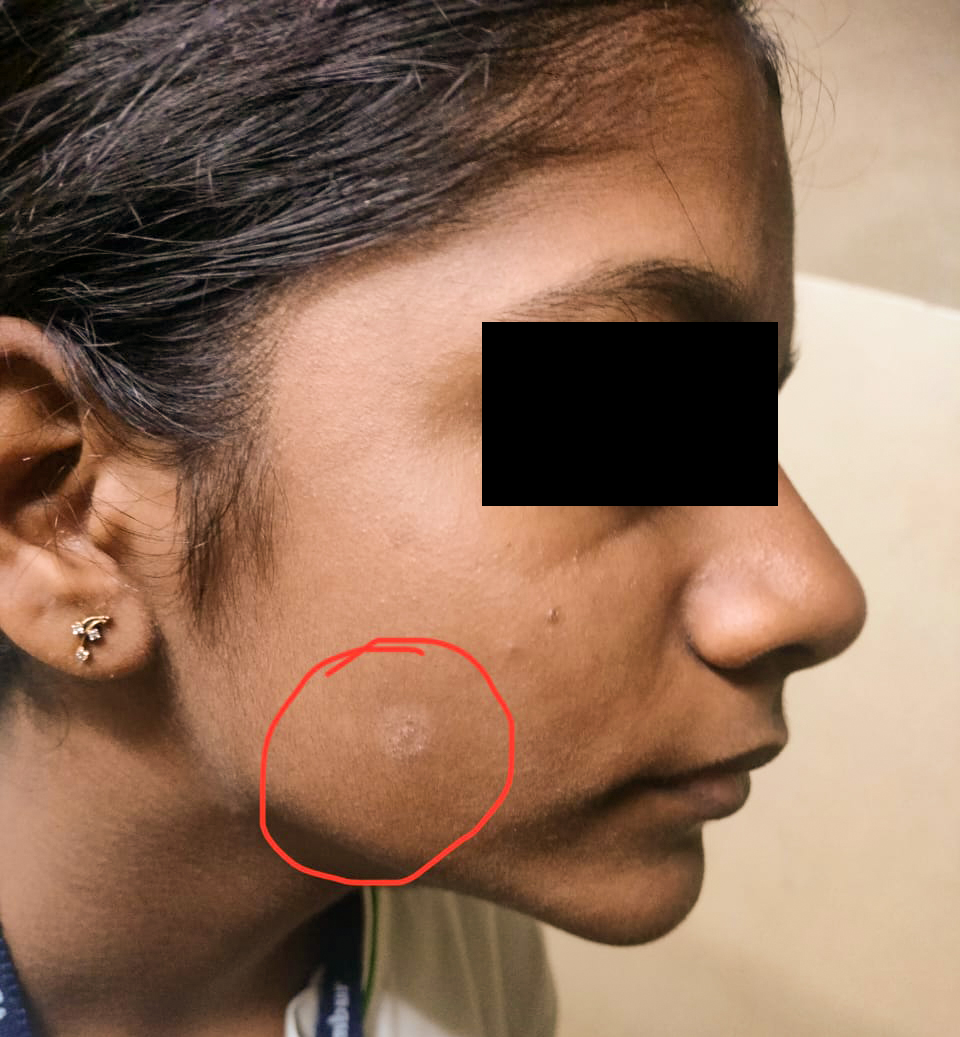
If you’ve noticed white spots on your child’s face, you’re likely seeing Pityriasis Alba—the most common cause of facial white patches in children aged 3-16 and sometimes, young adults. These patches often begin as pink or light brown spots before losing pigmentation, resulting in the appearance of white patches on the cheeks, forehead, and around the mouth. The white patches typically measure less than a centimeter to a few centimeters in width.
Key Facts:
- Not contagious
- Not caused by a vitamin deficiency
- Usually resolves on its own
- Simple home treatment is available
Concerned? Schedule a consultation with our pediatrician.
Caregivers often panic when they see white spots on their children’s faces. We also observe these lesions in adolescents due to acne; in some cases, they result from post-inflammatory depigmentation. Parents have a mortal fear that their child is developing vitiligo, fungal infections, or vitamin deficiencies.
The most common cause of white spots on children’s faces is “Pityriasis Alba” – Alba, as the name suggests, is white, and pityriasis refers to the fine flaking and scaling in these lesions.
They are more common in dark-skinned races (the contrast is more obvious.
The white spots can vary in diameter from less than a centimeter to a few centimeters.
Did my child acquire the white spots from somebody else?
No, these lesions are non-contagious. We don’t know why these occur, but they are unrelated to nutritional deficiencies or fungal infections. White spots are more common in the summertime. This may be related to photosensitivity, or it may simply be that the surrounding normal skin becomes more tanned, making the lesions more evident against the background of the tanning.
We don’t advise you to isolate your child for this condition, but you should certainly isolate your child for most respiratory infections and fevers.
Pityriasis alba is more commonly found in children who have:
-
A history of allergies or atopy.
-
Frequent bathing or over-washing the skin can strip away natural barriers, making children more prone.
-
Increased outdoor activity and sun exposure can accentuate these patches due to photosensitivity.
-
Darker-skinned children, where contrasting pigmentation is more evident.
How can I be sure, doctor, that it is not something more sinister?
Like most things, it is always better to show the lesions to your pediatrician rather than self-diagnose or self-treat them. Sometimes, fungal infections or conditions like tinea versicolor occur and may look similar. Your doctor may advise a simple test to differentiate between the two. In most cases, we do not need to do any tests and can proceed immediately with the treatment.
Will the child require oral medications or local ointments?
Pityriasis alba usually resolves spontaneously, and the skin color gradually returns to normal without scarring. However, it may persist for a few years and fluctuate during this period, particularly in summer, when the patches become more prominent due to the tanning of unaffected skin.
You need to take care of a few things to prevent the child from developing symptoms and hasten the resolution.
-
- Keep the area moist: Your doctor may prescribe simple moisturizing creams. Soaps remove moisture. Either use no soap or use a moisturizing soap.
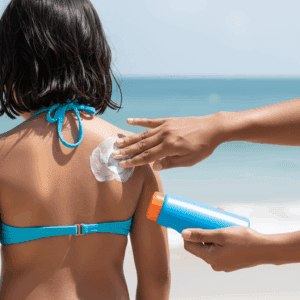
- Use sunscreens: Any good sunscreen for children (Any sunscreen with SPF > 50 will be fine – read our article on which sunscreen to apply? Apply sunscreen lotions all over the face, not only over the affected area. They work by decreasing the tanning of the surrounding skin, making these lesions less obvious.
- Sometimes, your doctor may prescribe low-potency steroids or other topical ointments that are necessary in your doctor’s judgment.
If you have any concerns or comments, please comment below.
Dr. Rajesh Nathani and Dr. Ankita Bhandari are the authors of this post.
Our Consulting Specialities



2 Responses
Leave a Reply to Rajesh Nathani Cancel reply
Subscribe Our Newsletter
The premier children’s clinic and general vaccination center in Chembur, Mumbai
Make Appointment
- 8 AM - 8 PM , Monday - Saturday
Call Us Today
9867694813
Affiliate Disclosure: Some of the links on this website are affiliate links, which means we may earn a commission if you make a purchase through these links. This does not affect the price you pay; there are no additional costs to you. Our recommendations are based on our genuine opinion, and we appreciate your support in helping us maintain this website.
Copyright © 2025. All rights reserved.

What are the medicines or ointments should i use for this condition
The treatment for white spots on a child’s face depends on the underlying cause. Often, these spots are harmless and may not require any medication. However, if treatment is needed, your healthcare provider might suggest:
– Topical antifungal creams or ointments: These are used if the white spots are caused by fungal infections, such as tinea versicolor.
– Mild corticosteroid creams: Sometimes recommended to reduce inflammation if the condition involves some inflammatory process.
– Moisturizers: To help maintain healthy skin and prevent dryness that can worsen the appearance of white spots.
– Vitamin or mineral supplements: If the spots are linked to nutritional deficiencies, appropriate supplementation may be advised.
It’s important to consult a healthcare professional before starting any treatment to ensure the correct diagnosis and safest approach for your child’s skin.