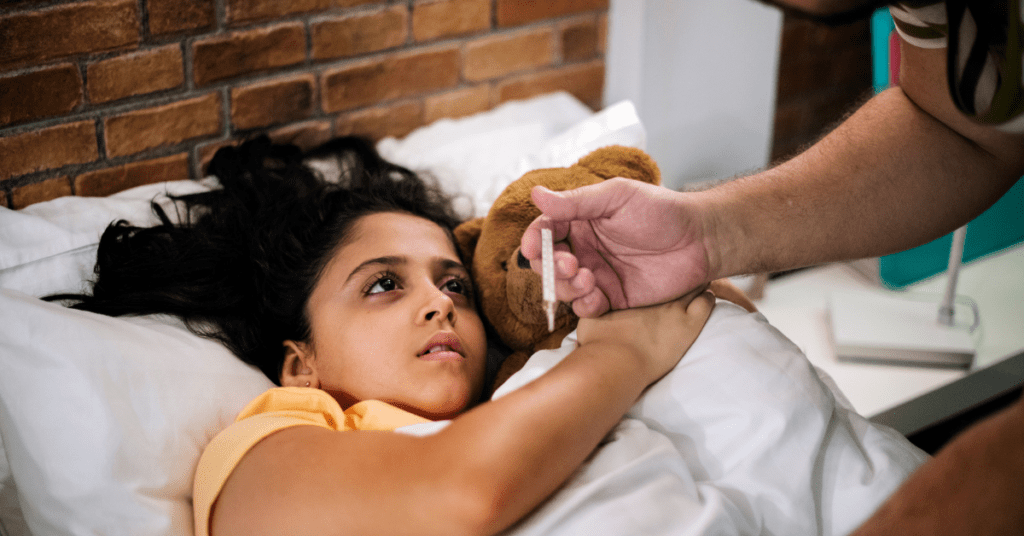
A ‘Rash’ Of Hand Foot Mouth Disease!
Rajesh Nathani
January 27, 2018 · Updated September 1st, 2026
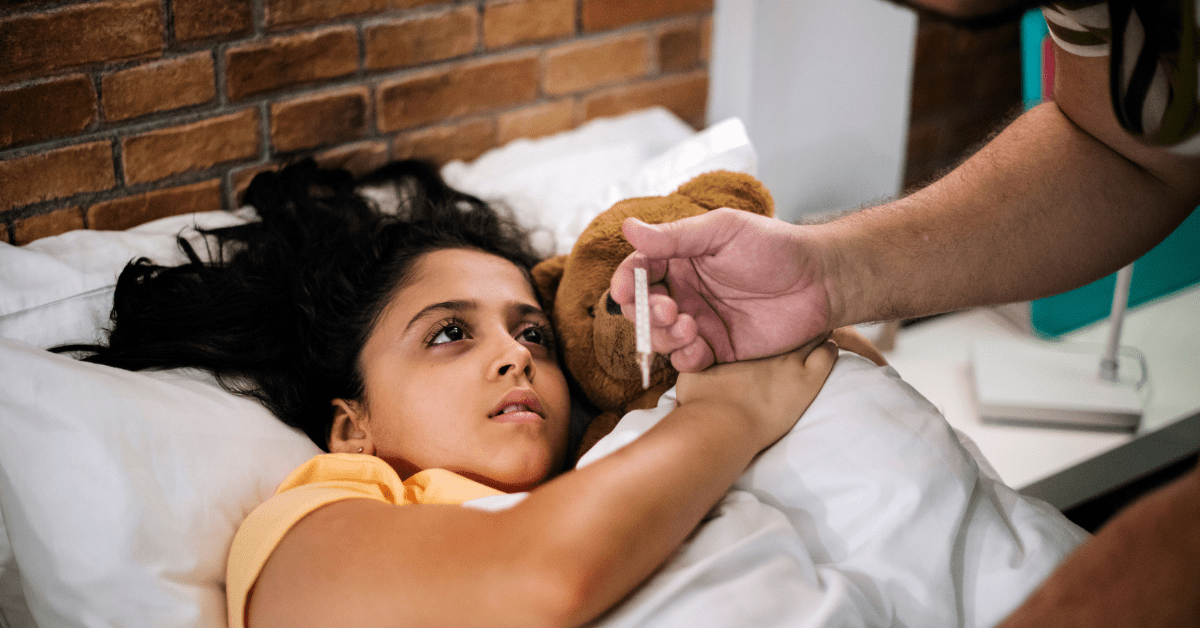
In recent weeks, I have been seeing many children with red spots on their hands and feet and extremely sore mouths. Their parents are understandably worried. So I thought it was a good time to write about Hand, Foot & Mouth Disease — what it is, what to expect, and most importantly, when to come in.
What is Hand, Foot & Mouth Disease?
Despite its dramatic name, Hand, Foot & Mouth Disease (HFMD) is a common viral illness that mostly affects infants and children under 5, though older children and even adults can get it. It tends to go around in small waves — which is why I sometimes see several cases in the same week.
One thing I always tell parents first: this has absolutely nothing to do with the foot-and-mouth disease you hear about in cattle and sheep. Completely different viruses, completely different disease. You cannot give it to your pets, and they cannot give it to you.
HFMD is caused by a family of viruses called enteroviruses — the most common culprits being Coxsackievirus A16, Coxsackievirus A6, and Enterovirus A71 (EV-A71). The reason you can get it more than once is that each of these strains is different, and being immune to one does not protect you from the others.
In recent years, a strain called Coxsackievirus A6 (CVA6) has become much more common worldwide — and in my practice too. Children infected with CVA6 often run a higher fever, and the rash tends to spread beyond the hands and feet to the arms, legs, and even the trunk. It can look alarming — sometimes even like chickenpox — but it follows the same course and gets better the same way.
If the rash is very widespread or your child seems very unwell, do call us.
How does HFMD spread from child to child?
HFMD spreads easily, which is why it moves quickly through playgroups, creches, and schools. It travels via:
- Droplets — sneezing and coughing
- Direct contact — touching blisters, drool, or nasal secretions
- The faecal-oral route — contaminated hands, food, or water (therefore handwashing after nappy changes is so important)
- Contaminated surfaces — toys, handles, tap knobs that an infected child has touched
The child is most infectious during the first week of illness. Here’s the tricky part: some people carry and spread the virus without getting sick themselves. So your child may have caught it from someone who appeared perfectly fine.
What does HFMD look like — and how do I recognise it?
Like most childhood illnesses, it usually announces itself with a fever. The child doesn’t look well, starts eating poorly, and may complain of a sore throat. Over the next day or two, painful sores appear in the mouth — first as red spots, then small blisters that may break into ulcers. The tongue, inner cheeks, gums, and roof of the mouth are all affected.
Then, over the next 24–48 hours, a rash appears on the hands and feet — typically flat red spots or small blisters on the palms, soles, and sometimes the buttocks or genitals. Some children only get mouth sores with no skin rash, which can make it trickier to diagnose.
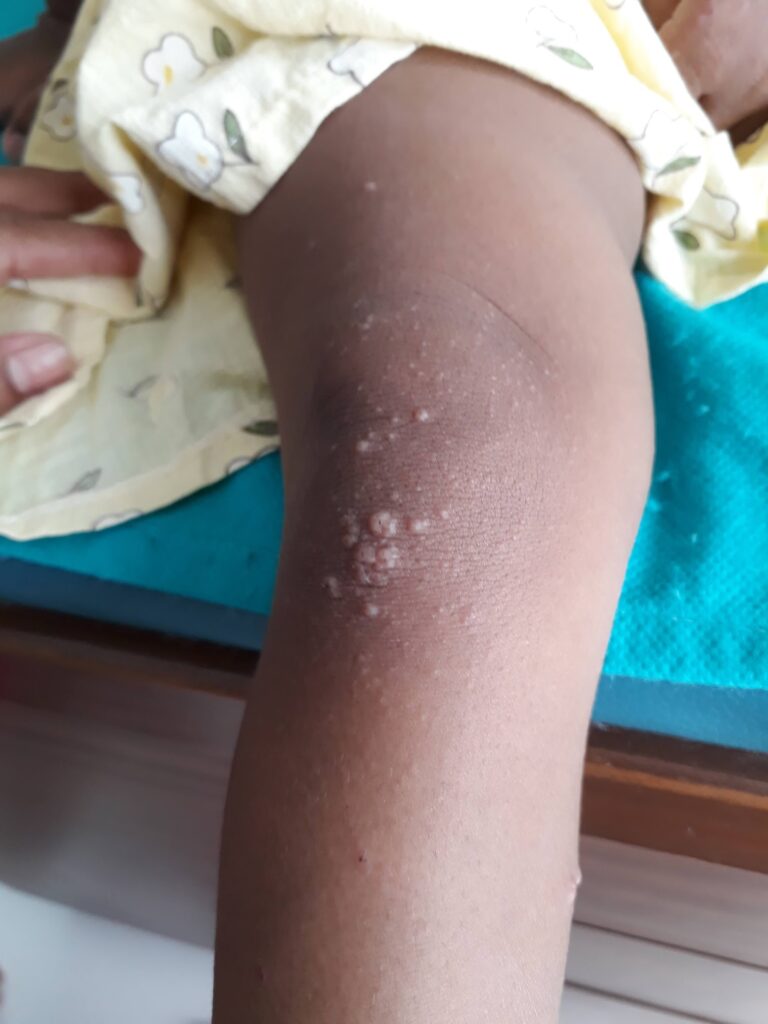
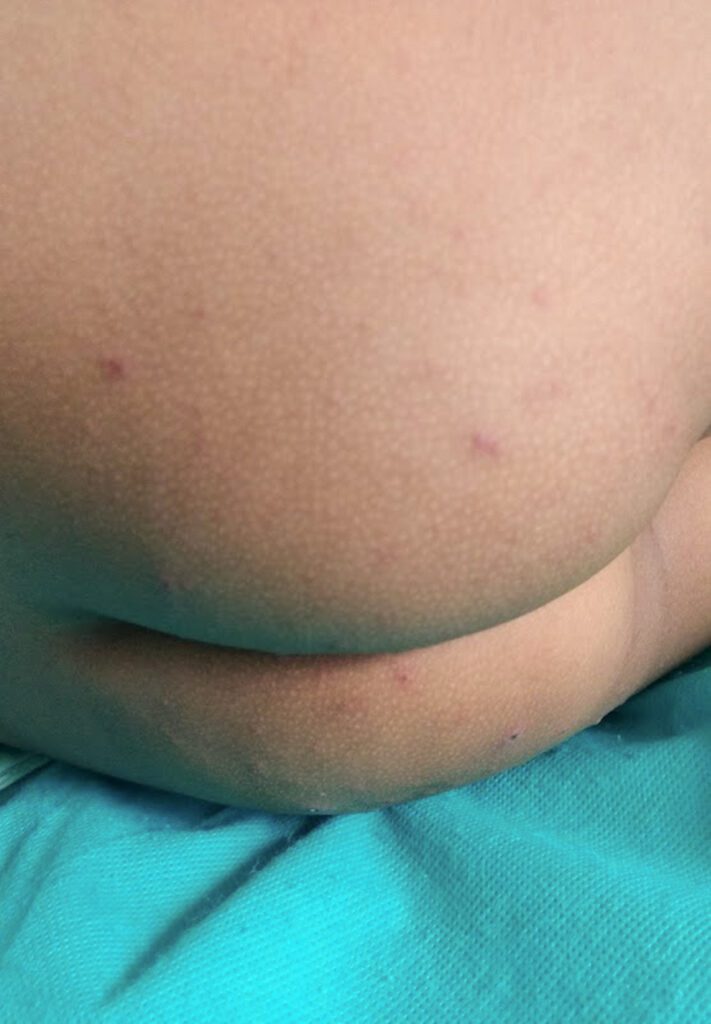
In typical cases, the rash stays on the hands and feet. With CVA6, as I mentioned, it can spread much more widely — and the blisters can be larger. The photos below are from my clinic and show what a typical HFMD rash looks like.
Yes, and please don't panic. A few weeks after recovering from HFMD, some children lose one or more fingernails or toenails. It is a known, harmless after-effect called onychomadesis. It is painless, requires no treatment, and the nail grows back completely on its own. I have had several very worried parents call about this — now you know, it is nothing to fear.
Why is dehydration the major danger with HFMD?
Here is what I worry about most with HFMD — not the rash, but the mouth sores. They are painful enough that children simply refuse to eat or drink. And when a young child stops taking fluids, dehydration can set in surprisingly fast.
Cold foods and drinks help enormously. The cold numbs the pain a little. Ice cream, chilled yoghurt, cold coconut water, chilled nimbu pani — whatever your child will accept, give it. Soft foods like khichdi, idlis, or well-cooked rice are much easier than anything that requires chewing. Avoid anything salty, spicy, or sour (including citrus) — these will make the sores sting.
Offer small amounts frequently rather than large amounts at mealtimes. And keep a close eye on how much urine your child is passing. Please note the color of urine – it should be colorless or pale yellow.
- Your child has not passed urine in the last 6 hours
- Lips and mouth look very dry, or there are no tears when crying
- Child is unusually drowsy or difficult to wake
- Fever is above 39.5°C and not coming down with paracetamol
- Severe headache, stiff neck, or backache
- Child's breathing is fast or laboured
- A limb suddenly feels weak
- Your child seems to be getting worse after day 3–4 rather than better
Can HFMD cause serious complications?
I want to be clear: the vast majority of children with HFMD get better with no complications whatsoever. But I also believe parents deserve to know the full picture, so here it is.
Sometimes — particularly with EV-A71 — there can be:
- Viral meningitis (inflammation of the lining around the brain) — fever with persistent headache, stiff neck, or backache. Uncommon, but important to recognise.
- Encephalitis (inflammation of the brain itself) — unusual drowsiness, confusion, or seizures. Rare.
- Acute flaccid paralysis — sudden weakness in a limb. Very rare.
- Cardiopulmonary complications — rapid breathing and a fast heartbeat. Extremely rare, associated with severe EV-A71 infection.
These complications are uncommon in the typical community cases we see. The warning signs above will alert you if something more serious is developing. When in doubt, come in — that’s what we are here for.
How is HFMD treated?
I’ll be honest with you: there is no medicine that kills the virus. No antibiotic, no antiviral, nothing that shortens the illness. Treatment is entirely about keeping your child comfortable while the immune system does its job — and that usually takes 7–10 days.
- For fever and pain: Paracetamol (Crocin / Calpol) works well. Ibuprofen (Brufen) is also an option in children over 6 months and can sometimes give better pain relief for the mouth sores. Important: Never give Aspirin to anyone under 18.
- Mouthwashes or numbing gels: These can be helpful before meals to reduce the pain enough for the child to drink. Please use only what your doctor prescribes — over-the-counter teething gels are not designed for this and some can be harmful.
- Skin: Keep the rash area clean and dry. Do not try to burst the blisters.
- Rest: Your child will want it, and it helps. Keep them home from school.
How long should I keep my child home — and how do I stop it spreading?
The single most effective thing you can do is keep your child home. Please do not send them to school, playgroup, or tuition class until at least a week after the rash has fully disappeared. I know this is inconvenient — but HFMD spreads rapidly through classrooms, and you would be doing other families a real kindness.
Beyond that, the usual hygiene measures make a real difference:
- Handwashing — thorough, with soap and water, especially after nappy changes, before meals, and after touching the child’s sores. Alcohol hand sanitizers are less effective against enteroviruses; soap and water is better.
- Disinfect surfaces — toys, door handles, tap knobs. Bleach-based disinfectants work; most ordinary sprays do not.
- Separate utensils and towels during the illness.
- Avoid contact with newborns or immunocompromised individuals where possible — they are more vulnerable.
An inactivated vaccine against EV-A71 has been developed and is approved in China, where large outbreaks have caused significant neurological disease. It is not yet available in India. Research is ongoing. For now, good hygiene and early recognition remain our best tools.
The bottom line
HFMD is one of those illnesses that looks worse than it usually is. The rash can be dramatic, the mouth sores genuinely painful, and the worried parent sitting across from me in the clinic is a completely understandable sight. But in the great majority of cases, this is a self-limiting illness that passes in a week to ten days and leaves no lasting effects.
Keep your child comfortable, keep the fluids going, watch for the warning signs above, and call us if you’re not sure. That’s all it usually takes.
— Dr. Neeta Nathani, MD (Pediatrics)
34 years at Nathani Clinic, Chembur, Mumbai
Yes, it can be. Some children with HFMD develop mouth sores without any skin rash at all. This is called herpangina when the sores are confined to the throat, but it is caused by the same enteroviruses. If your child has a fever and painful mouth sores but no rash on the hands and feet, it is still worth seeing your doctor to confirm the diagnosis and rule out other causes.
Yes, adults can get HFMD, though the illness is usually milder than in young children. Parents who are pregnant or have a weakened immune system should be extra careful about handwashing and avoid direct contact with blisters or saliva. If you develop a rash or mouth sores yourself after caring for a sick child, see your doctor.
This is one of the most common questions I get, especially with the newer CVA6 strain causing a more widespread rash. The key differences: HFMD blisters are smaller and tend to be flat or only slightly raised; chickenpox blisters are rounder, more fluid-filled, and extremely itchy. HFMD typically has prominent mouth sores, which chickenpox does not. And in HFMD the rash is concentrated on the palms, soles, and mouth — chickenpox starts on the trunk and spreads outwards. If you are unsure, come in — I would rather see you and reassure you than have you worry at home.
Wait until your child has been fever-free for at least 24 hours and the rash has fully disappeared — which usually means keeping them home for at least a week after the rash appeared, sometimes a little longer. Do not send them back while blisters are still present, even if they seem well. Most schools in Mumbai follow this guideline and may ask for a fitness certificate — I am happy to provide one.
Not yet. An inactivated vaccine against Enterovirus A71 has been approved in China but is not available in India as of 2026. Research is ongoing. For now, good hand hygiene and early recognition of symptoms remain our best prevention.
A child with HFMD is most contagious during the first week of illness. The virus can continue to shed in the stool for several weeks after recovery, but the risk of spreading it drops significantly once the fever has settled and the blisters have dried. Keep your child home until fever-free for 24 hours and the rash has completely disappeared.