Childhood obesity is an increasing problem the world over including India. Many parents still cling on to a firm belief that a chubby child is a healthy child and fondly refer to their
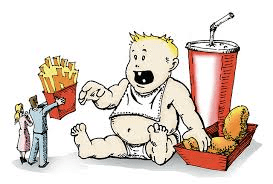
overweight and obese children as ‘healthy’.
The prevalence of obesity in India varies significantly, primarily dependent on which socioeconomic group is being studied. As many as 25% of children attending private schools are obese, and government schools report about 5.9%.
The first step is to identify that child is overweight or obese and the best screening tool is the BMI or the Body Mass Index. Based on a child’s age, gender, height, and weight, we calculate the BMI. For healthy children older than three years, we should plot the BMI every six months, and more often for younger children. Children need more frequent monitoring if they have any chronic conditions, especially if they are on long-term medications.
BMI is not the whole picture. A second, simpler measurement catches some children the BMI misses: the waist circumference compared with the height. It matters because it reflects fat carried around the middle, and that is the fat most closely tied to diabetes and heart disease later in life. A child can sit within an acceptable BMI band and still be carrying too much around the waist.
You can do it at home with a tape measure. Measure the waist at the level of the navel, then divide by the child’s height, using the same units for both. A ratio of 0.5 or more suggests too much weight around the middle and is worth bringing to us, even if the BMI looks fine. The version parents tend to remember is simpler still: the waist should be less than half the height.
We suggest taking it at every routine visit from about five years of age. It takes a moment, needs no chart, and it will often flag a problem earlier than the BMI alone.
Which children are more likely to become obese (and therefore require additional alertness on the part of parents and pediatricians)?
The family history is most important. If there is a family history of:
- Diabetes
- Obesity
- Cardiovascular disease
Then your child is at greater risk, and you need to take proactive measures to ensure that your child does not even become overweight, let alone obese.
From a parent who came to us about this
Now my daughter is back to her original weight and her fitness level.
Sunanda YadavPracto review
Related reading: How much physical activity does your child need?