Yakult For Children – How good is it?
One of the most common questions that we are asked in our pediatric practice.
What is Yakult?
Yakult is a popular probiotic drink made from skimmed milk, sugar, and the live bacteria Lactobacillus casei Shirota. Probiotics are “good bacteria” that help maintain gut health, boost digestion, and support immunity in both adults and children. Probiotics abound in our gut, in the trillions.
Bacteria! But bacteria cause disease, don’t they?
It is a widespread myth that all bacteria cause disease. In fact, of all the bacteria present in the human body (and there are a hundred trillion of them, outnumbering human cells by a ratio of 100 to 1), 85% of them are the so-called good bacteria. Only 15% of bacteria are harmful and can cause disease if their numbers increase or they become more potent.
Good bacteria are beneficial and help us in numerous ways. They feast on and digest the fiber in the body, and the by-products are responsible for:
- Appetite and obesity: Many factors control Satiety. One of the byproducts of bacterial digestion of dietary fiber plays a vital role in deciding when we have had enough to eat and whether we are hungry enough to want another meal. So, the more fiber in the diet, the less likely the child is to be obese.
- Glucose metabolism & diabetes: We derive glucose from many sources. The production, storage, and utilization of glucose are tightly regulated. If the regulation goes haywire, we end up with diabetes. Bacterial byproducts also help in fine-tuning glucose metabolism.
- Killing colonic cancer cells: Almost all cells in our body are constantly dividing and growing again. Sometimes, abnormal, cancerous cells form. The body quickly identifies and kills these cells before they can take root and grow. Bacterial byproducts contribute to the process of killing cancerous cells in our gut.
How Safe is Yakult for Kids?
For most healthy children, Yakult is considered safe when given in moderation:
-
Ages: Generally safe for children over one year, after consulting your pediatrician.
-
Allergies: Avoid if your child is allergic to milk or lactose-intolerant.
-
Medical advice: Always introduce new supplements after pediatric guidance.
Beware of Yakult’s sugar content, though!
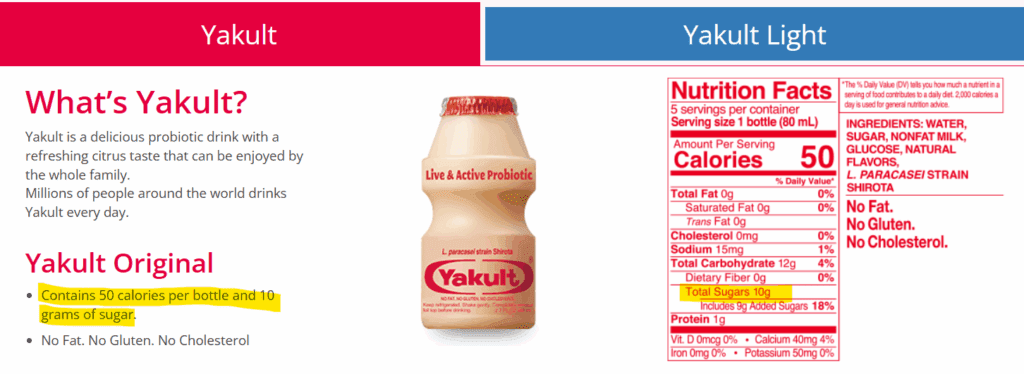
Each 80ml bottle of Yakult contains 10g of sugar. That is a lot. That’s higher than many yogurts or lassis.
Why it matters:
-
Excess sugar can raise risks for obesity, dental problems, and poor nutrition.
-
For better probiotic benefits, consider natural curd, buttermilk, or fermented Indian foods like idlis, dosas, or pickles.
Tip: If you do give Yakult, cut down on added sugars elsewhere in the diet.
Pediatrician’s View & Practical Tips
Our pediatric team recommends:
-
Start with half a bottle and observe for tolerance.
-
Pair Yakult with breakfast or a meal, not on an empty stomach.
-
Maintain good oral hygiene—brush after eating or drinking sugary foods or drinks.
-
Prefer homemade probiotic options for regular gut health.
What Does Science Say?
Recent studies in Indian children have shown that Yakult can reduce the risk of diarrhea and support healthy digestive function. Large campaigns, such as the Shin Chan initiative, have focused on childhood constipation and family awareness in 2025.
Common FAQs
Can babies drink Yakult?
Not advised below one year. For toddlers, consult your pediatrician before starting.
How much Yakult is safe for kids?
Most children do well with 40–80ml, once a day, occasionally. Try not to make it a daily habit unless your doctor advises it.
Are there better alternatives?
Yes—plain curd, lassi, buttermilk, idli, dosa, or even kimchi/pickles deliver natural probiotics with less sugar.
Bottom Line
Yakult is safe in moderation for most children, but watch the sugar, check for milk allergy, and opt for Indian probiotics wherever possible. For questions, consult the Nathani Clinic pediatric team for personalized advice.
Book An Appointment
For more guidance on your child’s nutrition and gut health, contact Nathani Clinic today.